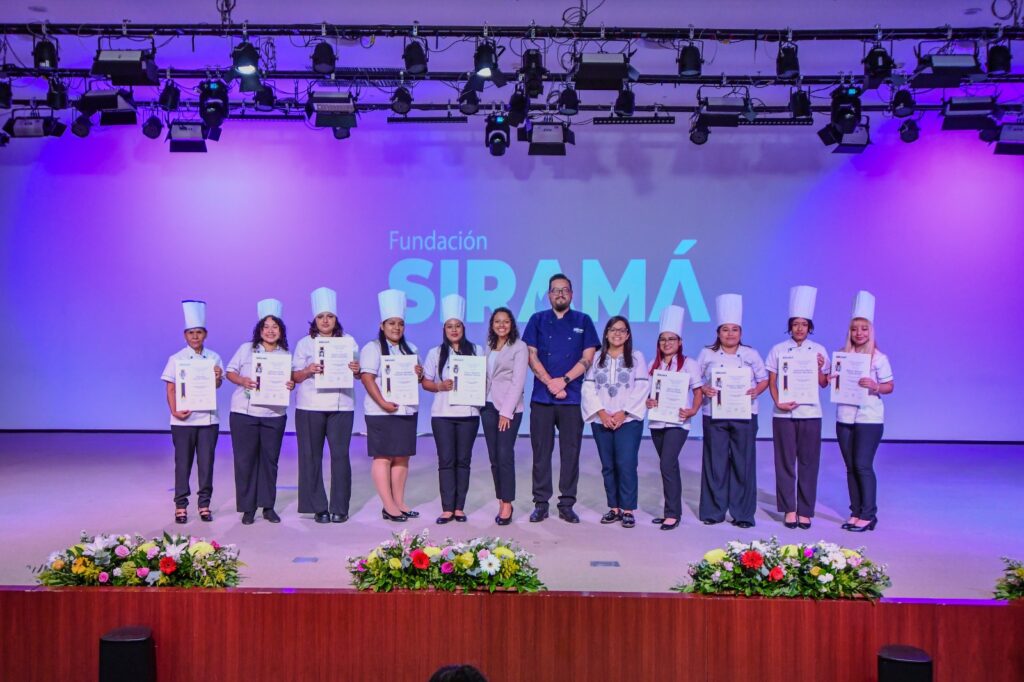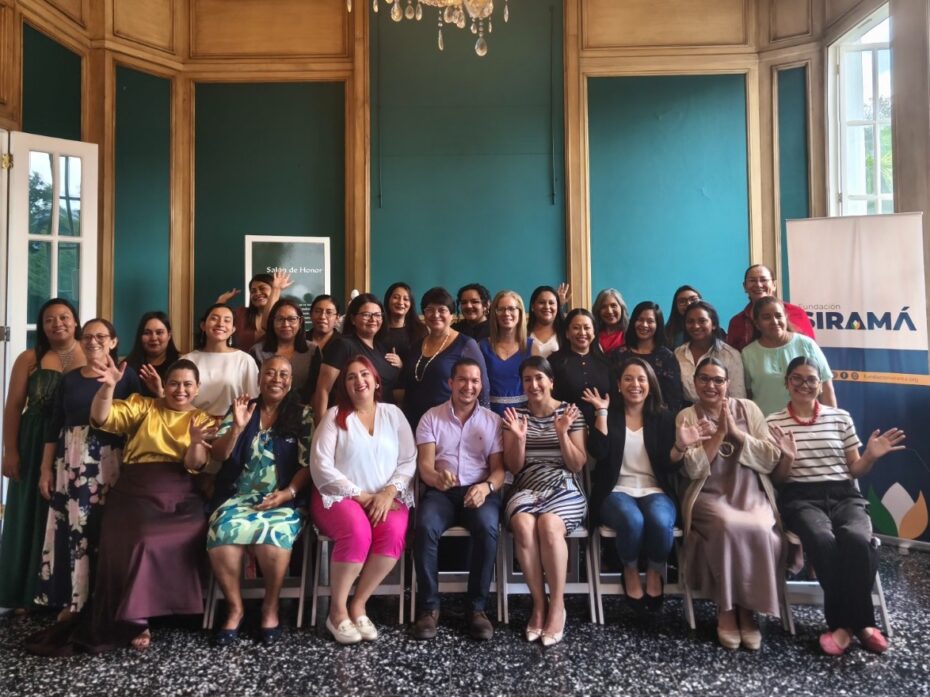
Fundación Siramá is a nonprofit in San Salvador, El Salvador. It is dedicated to empowering women through vocational training combined with holistic human development classes. ACI has provided financial support of $100,000 to Fundación Siramá in 2025 and 2026.
When Carolina Vázquez decided to take a beauty course at Siramá years ago, she never imagined that it would lead to a professional career.
“I arrived at Siramá in 1992, when I had two small children at home. I just wanted to do something in my spare time,” Vázquez recalled. “My teacher, Ms. Juana, saw something in me. After three months, she asked me to take another course.”
One course led to another: classes in skincare, hygiene, hair treatments, coloring, and styling. Soon, Vázquez’s teacher asked her to become a teaching assistant. Today, she is a full-time instructor at Siramá.
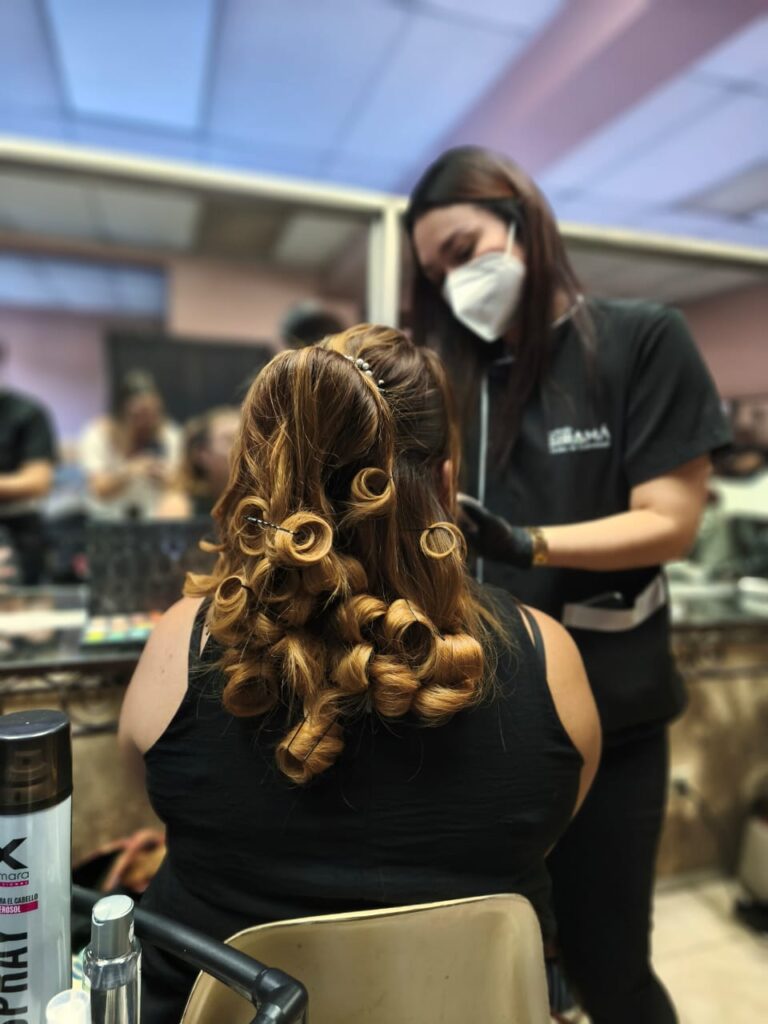
“For me, Siramá is very special. It offers much more than just technical classes,” she stated. “It gave me a comprehensive education. Anywhere else, you can learn the technique of a profession, but here, we learn the ‘why’ behind what we are learning.”
Meeting the Needs of Women
El Salvador is a Central American nation with a population of 6 million inhabitants. According to the World Bank, 28% of the country’s population lives in poverty, and an additional 40% lives in conditions of vulnerability. The majority of families living in poverty are headed by single women who serve as the sole providers for their households.
Siramá opened its doors in 1970 with the goal of breaking the cycle of poverty among women. Over the past 55 years, 50,000 women have attended classes at its two centers located in San Salvador. This amounts to more than 800 women per year, ranging in age from 15 to 60. Classes are conducted in eight-month cycles, running from Monday through Friday. All materials necessary for each class are provided by Siramá.
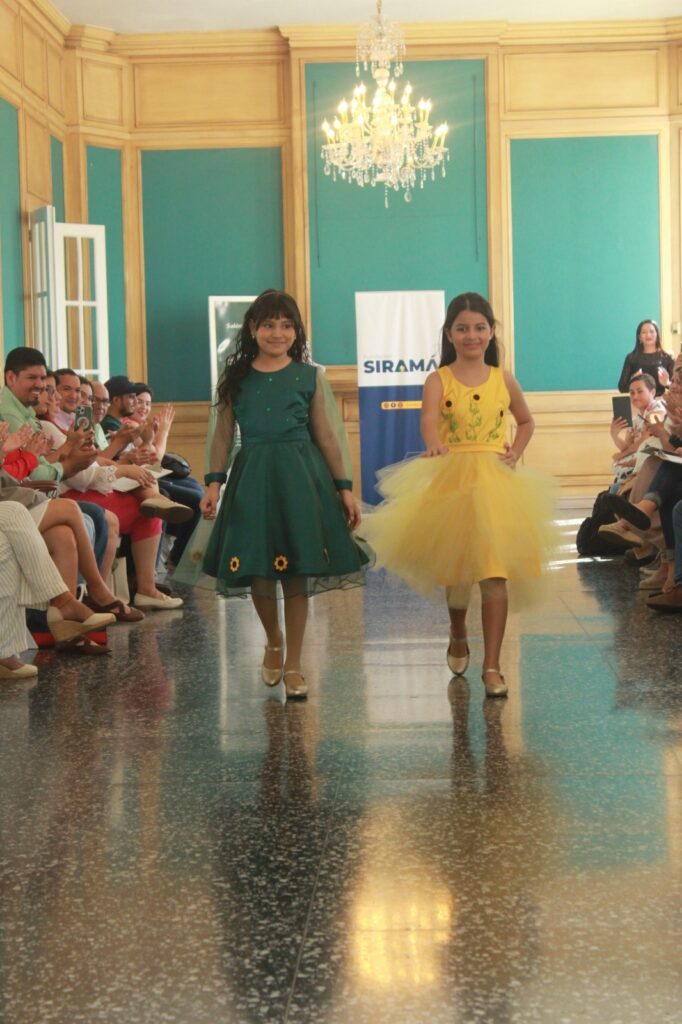
“Saint Josemaria Escrivá, the founder of Opus Dei who inspired the beginning of Siramá, understood the importance of women in society. From our inception, we decided to offer classes in cosmetology, culinary arts, baking and pastry arts, and fashion and design,” commented Merlyn Avendaño, Siramá’s Director of Business and Communications. “We want women to put their creativity into practice in these four areas.”
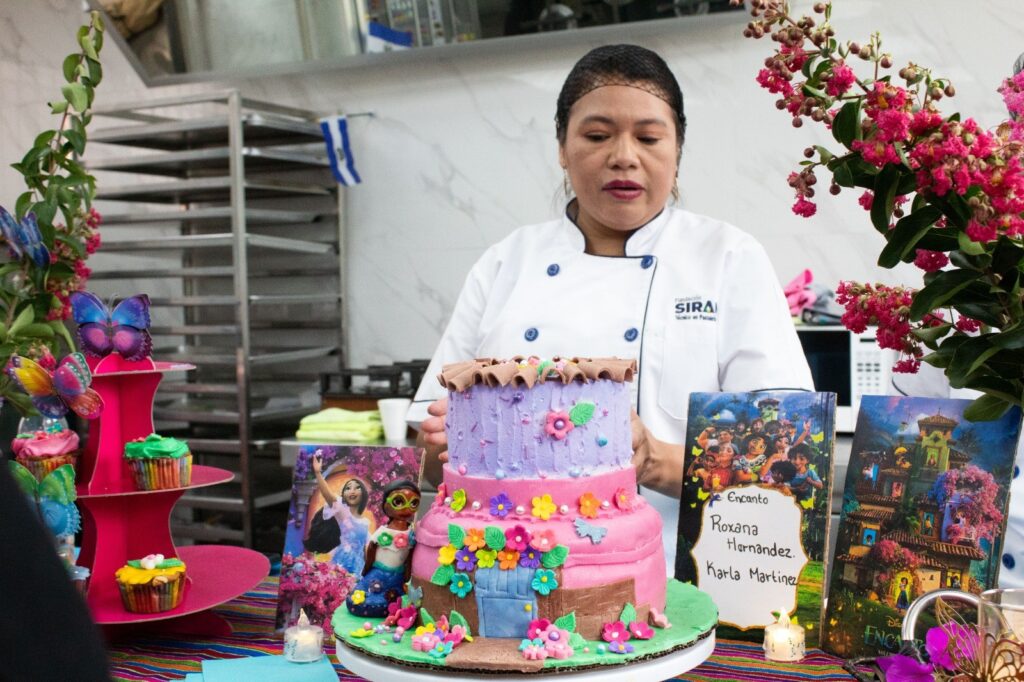
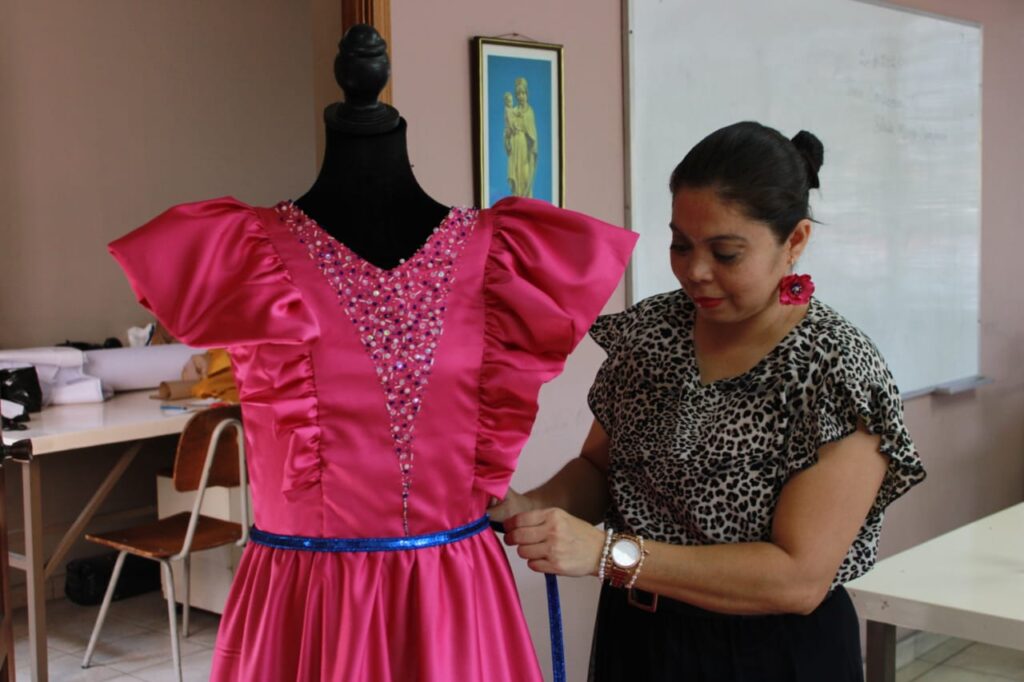
Besides vocational training, Siramá offers personalized mentorship, psychological and emotional support, life skills development, and job placement assistance.
Siramá also facilitates volunteer opportunities for students, enabling them to see firsthand that—even when coming from humble backgrounds—it is possible to make a positive impact in the lives of others.
Becoming Artisans of Peace
One of the things that distinguishes Siramá from every other vocational training school in the country is its course titled “Woman: Artisan of Peace.” This class focuses on women in their role as agents of peace within the family, the workplace, and the community.
“After the first few years, the founders of Siramá realized that women needed something more than just technical classes. For this reason, Siramá decided to create a training track centered on human development,” said Avendaño.
According to Mariely Rodríguez, Director of Siramá’s “Woman: Artisan of Peace” Program, many of their students have endured poverty, abuse, violence, and family disintegration.
“We want them to discover that, despite their circumstances, each of them can be an artisan of peace. They can choose to be one—as women, as mothers, as entrepreneurs. They can generate peace. They can make it tangible,” affirmed Rodríguez.
Currently, Siramá offers 19 hours of classes on human development each semester. These classes are guided by three principles: one’s relationship with oneself, one’s relationship with others, and one’s relationship with truth and goodness.
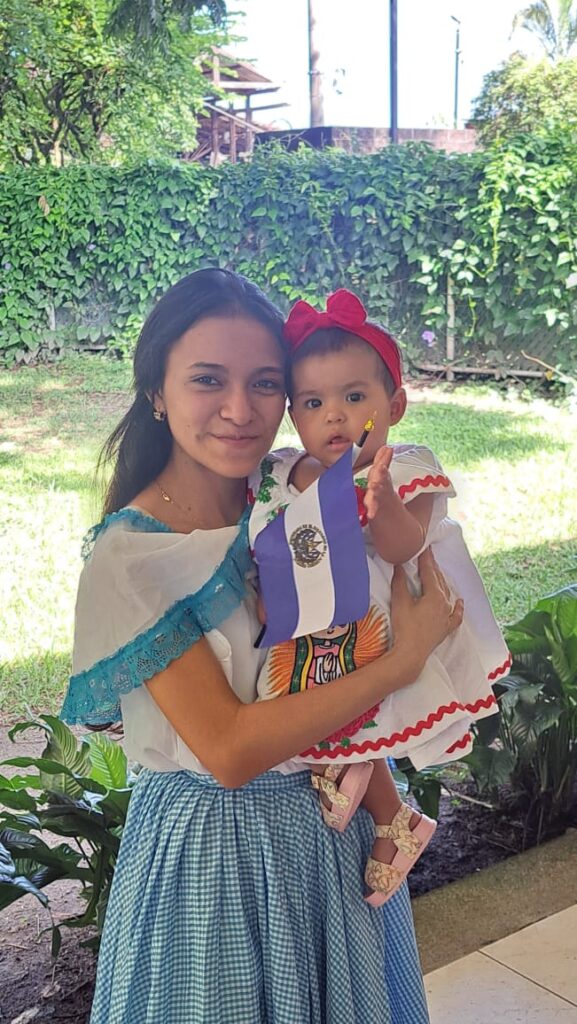
“One of the first things we discuss is the need to love and to forgive,” noted Avendaño. “Many of the women who come here carry deep wounds. We understand that they need to learn to love themselves first, before they can love others. What truly helps them move forward is learning to forgive. That changes their lives.”
Furthermore, over the years, Avendaño has observed that as women attend classes at Siramá, they begin to form friendships and support each other.
“They form a community and go on outings together. We teach them how to work as a team,” she said.
The women begin to realize their own value and recognize that they can achieve great things in life.
“We help our students realize that their dreams can become reality. Our women learn about their own virtues; they discover themselves. It is something very special. All of them are eager to learn more,” stated Avendaño.
“Our foundation is not limited to teaching women how to cook, bake, or sew. We are interested in the heart of each individual woman. They learn about peace and the richness of their inner lives. From that foundation, they can conquer the world,” noted Rodríguez.
Women from all faith traditions come to Siramá. The majority of the students are Catholic and Protestant. The classes on human development are not religious instruction classes, although they do address the subject of faith in God.
“One day a week, a Catholic priest comes to offer Mass and the sacrament of confession,” explained Vázquez. “I am Evangelical, but it doesn’t bother me that there is a Catholic priest here. I think it’s something very beautiful.”
Siramá also collaborates with a psychologist who offers free therapy.
“Every week, if a student needs to speak with the psychologist regarding an emotional issue, she is free to do so. We are always attentive to our students to identify whether they are in need of help,” commented Vázquez.
Siramá raises as much funding as possible to keep tuition fees low. The cost amounts to approximately $45 per month per student. Each student is expected to cover 30% of the cost of her training, while Siramá assumes the remaining 70% thanks to donations. In cases of extreme financial hardship, full scholarships are offered.
“We tell our students that, after the first month, they can start earning their own money based on what we teach them,” said Avendaño.
Taking Care of Children
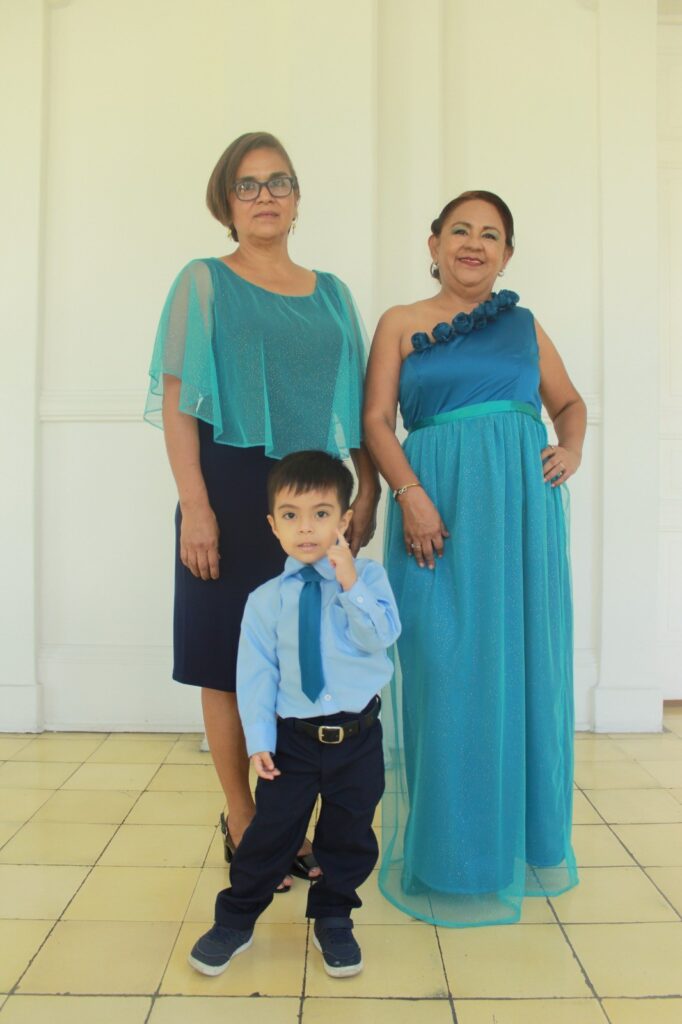
Siramá operates a daycare center called Little Path of Peace (Caminito de Paz) which caters to children aged 0 to 4.
“This service is for the children of employees at local companies, since the companies cover a portion of the cost,” said Avendano. “At the moment, none of our students leave their children at Little Path of Peace, as the fee is too high for our target audience.”
Siramá’s long-term dream is to raise enough funds to be able to offer this daycare service free of charge to all students who are mothers.
Bridges of Hope
Certain areas of San Salvador are home to brothels. Through a partnership with an order of Brazilian nuns known as the “Fraternidad El Camino” (The Way Fraternity), Siramá developed a program in 2021 to help these women leave that lifestyle behind.
“These nuns specialize in this field,” said Rodríguez. “They begin by building friendships with these women and asking them: ‘What are your dreams? Where do you see yourself in the future?'”
“Our goal is to rescue ten women from this lifestyle each year,” stated Avendaño. “When we find a woman who is able to leave this life behind, she can share her story and positively impact others.”
Thirty-five women have participated in this program, and five have permanently left behind their former way of life.
“Each of these women has had to rediscover her own dignity as a human being,” noted Rodríguez. “As a foundation, we are not interested in aggregate statistics; we want every woman to feel valued and cared for.”
One of the women who received assistance is Roxanna, a single mother of five who was battling drug and alcohol addiction.
“Her life changed completely thanks to Siramá. I see how these women can be transformed—with God’s help—when they have the freedom to choose what is good,” said Rodríguez.
The challenge for many of these women is that walking away comes at a real economic cost.
“We cannot guarantee that they will earn the same income as before, but we can guarantee to them that they will be free,” said Rodríguez. “They will no longer be anyone’s slaves. We strive to walk alongside them and help them build a new life—to have the freedom to dream. We help them envision a new horizon.”
After Graduation
Of the women who come to Siramá, more than 80% start their own businesses after graduating. The rest go on to work for other companies, such as restaurants or beauty salons.

“We teach them about entrepreneurship. Many of them take advantage of our classes to achieve their own economic growth,” commented Avendaño.
For the women fortunate enough to find Siramá, this place is much more than just a school.
“It is our home,” said Vázquez. “It is the place where we can make our dreams come true. My dream was not to go into teaching, but God brought me here. Here, I discovered that teaching was, in fact, my true passion. I feel happy and fulfilled.”
“For me, Siramá is a little piece of heaven,” expressed Rodríguez. “I watch as each woman transforms herself; she begins to believe in her own capabilities. She begins to smile more often, and that fills me with motivation. When you walk alongside someone in their journey, you see how they unlock their full potential.”
The most significant change that Siramá seeks to impart to its students is the certainty that everyone is truly capable of transforming their own life.